What Should Students 3D Print? Meet the NeuroMaker Hand 2.0

What Should Students 3D Print? Meet the NeuroMaker Hand 2.0
One of the most common questions in educational 3D printing is also one of the hardest to answer:
What should students actually print?
Schools have invested in thousands of 3D printers, but buying the machine is the easy part. The real challenge is finding projects that keep students interested, connect to what they are learning, and give the printer a meaningful role in the classroom.
The NeuroMaker Hand 2.0 is a great example of what that can look like.
This buildable and programmable robotic hand introduces students to ideas from prosthetics, biomedical engineering, robotics, computer science, engineering design, and artificial intelligence. It also creates opportunities for students to explore CAD, prototyping, and 3D printing as part of a much larger engineering experience.
That is exactly the kind of project we like to see.
What Is the NeuroMaker Hand 2.0?
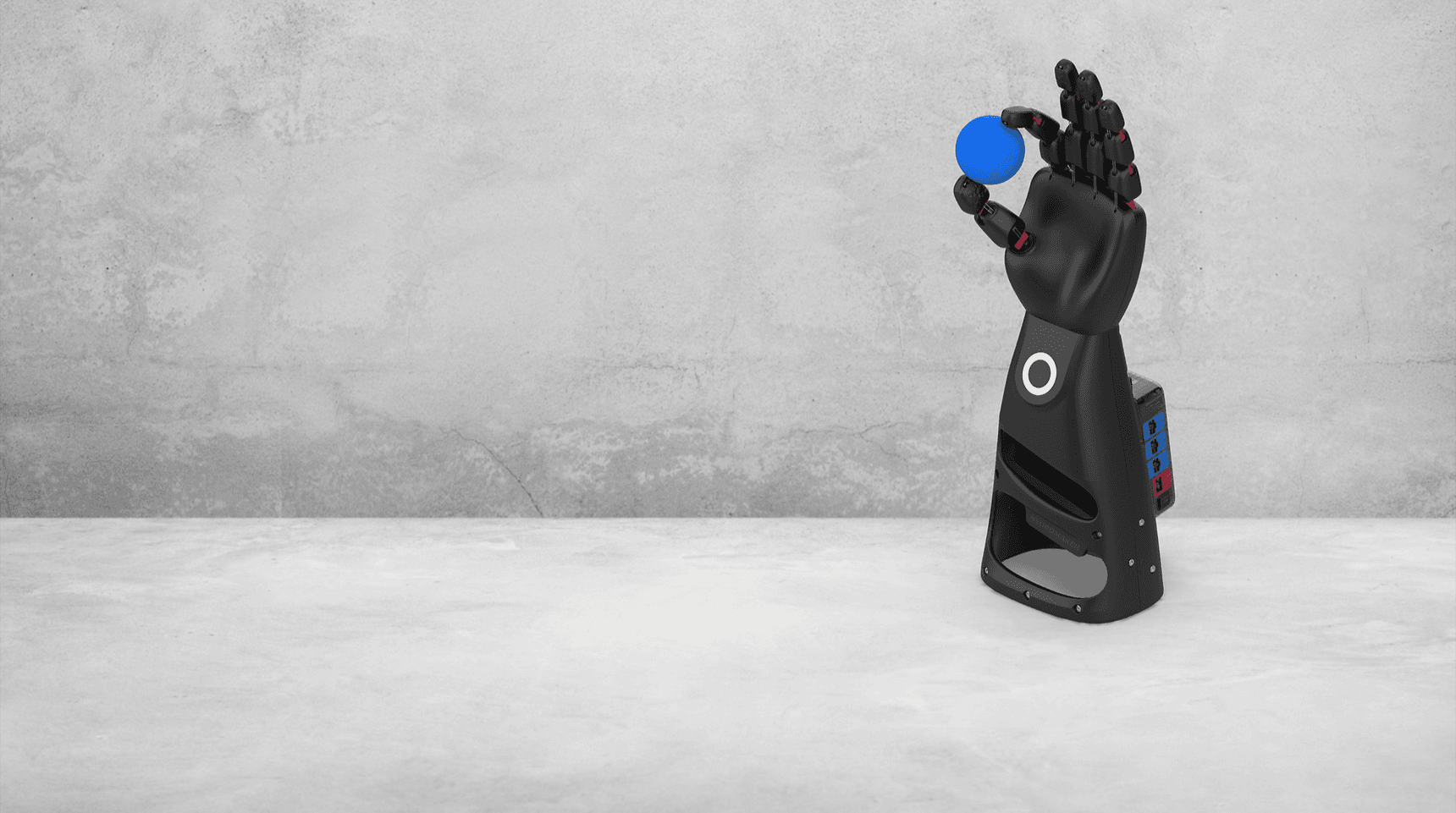
The NeuroMaker Hand 2.0 is an educational robotic hand inspired by real prosthetic technology.
Students can build the hand from its individual components and learn how mechanical, electrical, and software systems work together. Its fingers are tendon-driven and fully programmable, and the platform supports block-based programming as well as Arduino C.
The hand can also work with sensors and other hardware. Students can explore concepts such as muscle signals, motion, temperature, robotics, and human-machine interaction.
But the hardware is only part of the story.
NeuroMaker offers a curriculum built around the hand that spans multiple areas of STEM and career and technical education. Students can move from guided assembly into biomedical exploration, engineering design, physical science, programming, and artificial intelligence.
For a school trying to connect several STEM subjects through one hands-on platform, that is a compelling idea.
Why Projects Like This Matter for Educational 3D Printing
A 3D printer is most useful when the object coming off the build plate has a job to do.
Printing a keychain can teach a student how to use a printer. Printing a component for a robotic or prosthetic hand can lead to much bigger questions.
Why was the part designed this way?
How does it need to move?
Does the geometry affect strength or flexibility?
Could the design be lighter?
Could it fit a different user?
What happens when the first prototype does not work as expected?
These questions turn 3D printing into part of the engineering design process.
The printer is no longer the lesson. It is one of the tools students use to solve a larger problem.
That distinction is important.
The Best 3D Printing Projects Lead to Another Print
At Polar, we spend a lot of time thinking about 3D printer utilization in schools.
Many schools already own capable printers. Some have a single machine in a library or makerspace. Others have mixed fleets spread across classrooms, buildings, or an entire district.
The challenge is often not access to the hardware.
The challenge is giving students enough worthwhile reasons to use it.
A strong educational 3D printing project creates a cycle:
Imagine. Design. Print. Test. Improve. Print again.
That final step matters.
A student who prints an object and immediately sees how it could be improved has started thinking like an engineer. The first print becomes a prototype rather than a finished product.
Projects involving robotics, prosthetics, and assistive technology are especially good at creating this kind of thinking because the parts have real functions. A component may need to move, fit, bend, hold weight, or interact with another part.
Success is not just about whether the print finished.
It is about whether the idea worked.
One Project, Many Areas of STEM
The NeuroMaker Hand is especially interesting because it does not fit neatly into a single school subject.
In an engineering class, students can study mechanisms, prototyping, manufacturing, and design.
In a biology or biomedical course, they can explore the human hand, body systems, prosthetics, and assistive technology.
In computer science, students can program movement and behavior.
In robotics, they can work with sensors, actuators, control systems, and feedback.
In a makerspace, students can explore CAD and 3D printing.
This kind of crossover is valuable for schools. A 3D printer should not have to belong to one class or one teacher. The same machine can support projects in science, engineering, art, robotics, computer science, and career and technical education.
The more connections a school can make, the more useful its printers become.
Managing the Printing Behind Bigger STEM Projects
Interesting projects can also create a practical problem: someone has to manage all the printing.
A few student files can quickly turn into dozens of print jobs. Teachers need to get files to printers, keep track of the queue, monitor progress, and make sure students know when their parts are ready.
This becomes even more complicated when a school has several printers or a mixed fleet from different manufacturers.
That is where Polar Cloud can help.
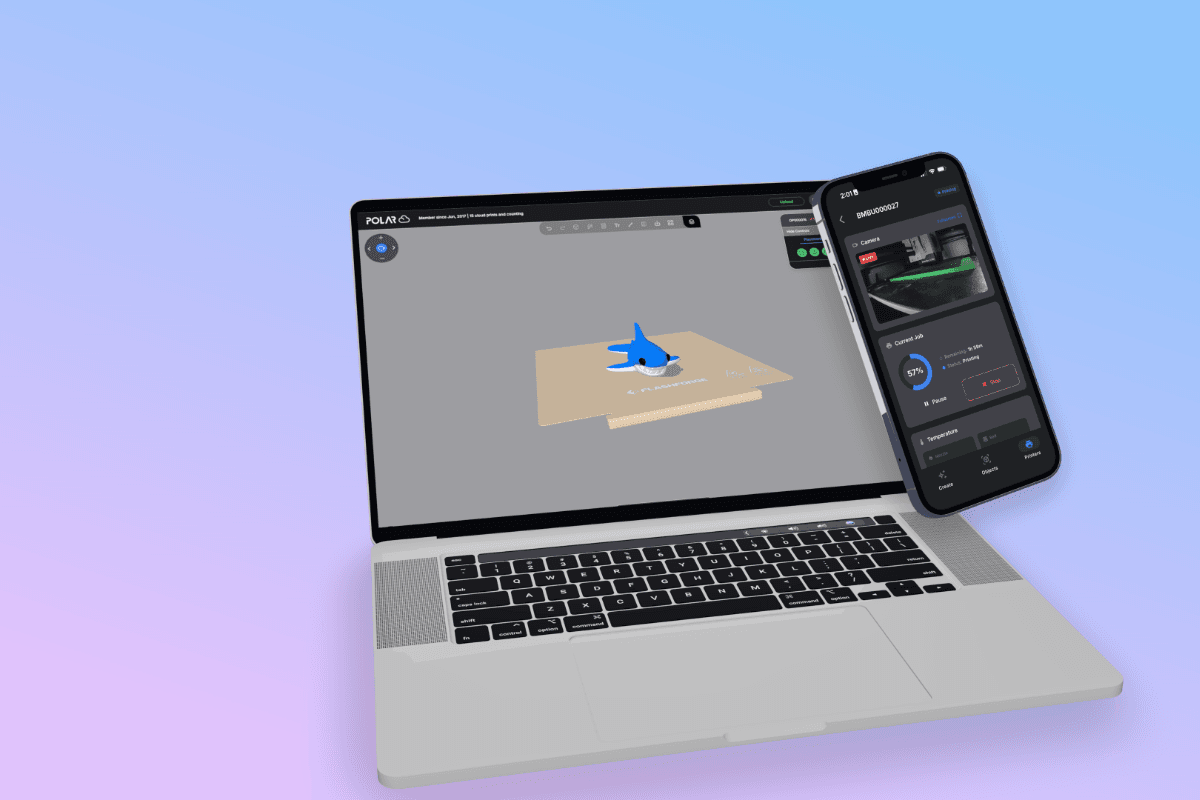
Some schools and educators use Polar Cloud to manage the 3D printing associated with hands-on STEM projects like these. Instead of treating every printer as an isolated machine, Polar Cloud gives teachers and students one place to submit, manage, monitor, and organize their print jobs.
Because Polar Cloud supports printers from many manufacturers, schools can get more use from the equipment they already own without rebuilding their program around a single printer brand.
The project should be the interesting part.
Managing the printers should be the easy part.
A Better Answer to What Should We Print?
We are always looking for projects that give students a real reason to use a 3D printer.
The NeuroMaker Hand 2.0 caught our attention because it connects physical building, engineering, programming, biomedical technology, and creative problem-solving in a way that can grow with students.
It is not a Polar product, and the NeuroMaker curriculum is not included with Polar Cloud. We are highlighting it because it represents the kind of educational experience we want to see more often: students using technology to make, test, understand, and improve something meaningful.
If your school has a 3D printer that is not getting enough use, another collection of trinkets probably is not the answer.
Give students a better problem to solve.
Learn more about the NeuroMaker Hand 2.0 from NeuroMaker, and explore how Polar Cloud can help your school manage its 3D printers and student print jobs.
Subscribe for updates
Get Polar Cloud news and help delivered straight to your inbox.
More from the blog