Flashforge Creator 5 and 5 Pro


The Creator 5 and Creator 5 Pro accidentally hit the wiki page for Flashforge. The page has since been taken down, but here's what we know! Here are the things that stood out to me.

- The toolheads are parked in the right, not the back of the machine. The Snapmaker U1 and Prusa XL both park them in the back. The Bambu Lab H2C parks them on the right, but it really just swaps the nozzle.. not the entire toolhead. So, Flashforge is unique in this way.
- The build volume is up to 256^3, matching that of the Bambu X1, P1, and P2 lines. This is up from the 220^3 of the Adventurer 5M and 5M Pro.
- The printer has a 1920*1080 30FPS HD camera. Hopeful this means the printer will be Polar Cloud enabled!
- Might have active chamber heating. This was not confirmed. Obviously, after the US6722872B1 patent lapsed (owned by Stratasys), we'll start seeing this more and more. It just makes printing of certain materials more reliable.

If you want the full breakdown, check out this video from LT3D who uncovered this info.
Subscribe for updates
Get Polar Cloud news and help delivered straight to your inbox.
More from the blog
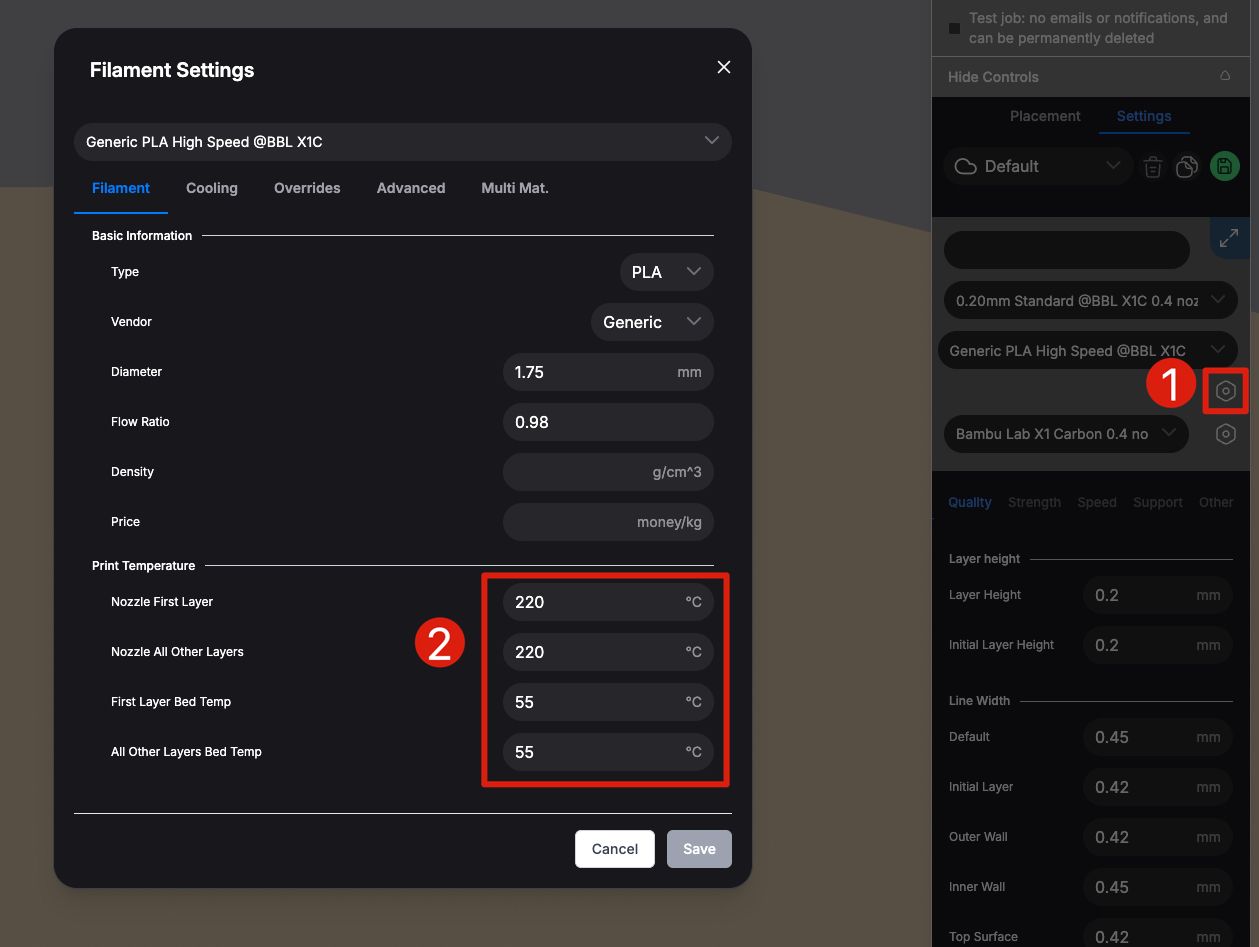
How to Change the Print Temperature in Polar Cloud
Nozzle and bed temperatures live in your filament profile. Here's where to find them in Polar Cloud and how to change them for the first layer and every layer after.
11/11/2026
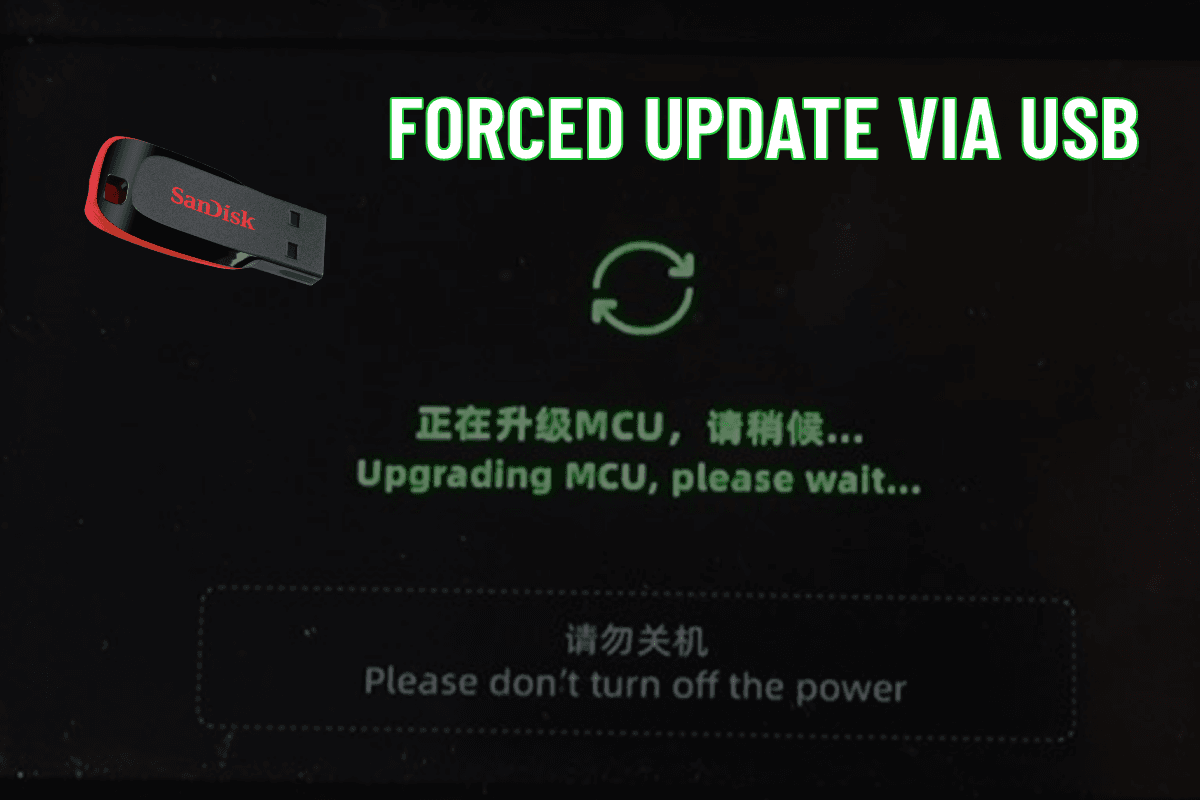
How to Manually Upgrade or Downgrade the Firmware on Your Flashforge Adventurer 5M or 5M Pro
Some firmware releases feel like two steps forward and one step back. Here's how to put a specific firmware version on your Adventurer 5M or 5M Pro from a USB drive, and why you should be careful when you do.
11/11/2026
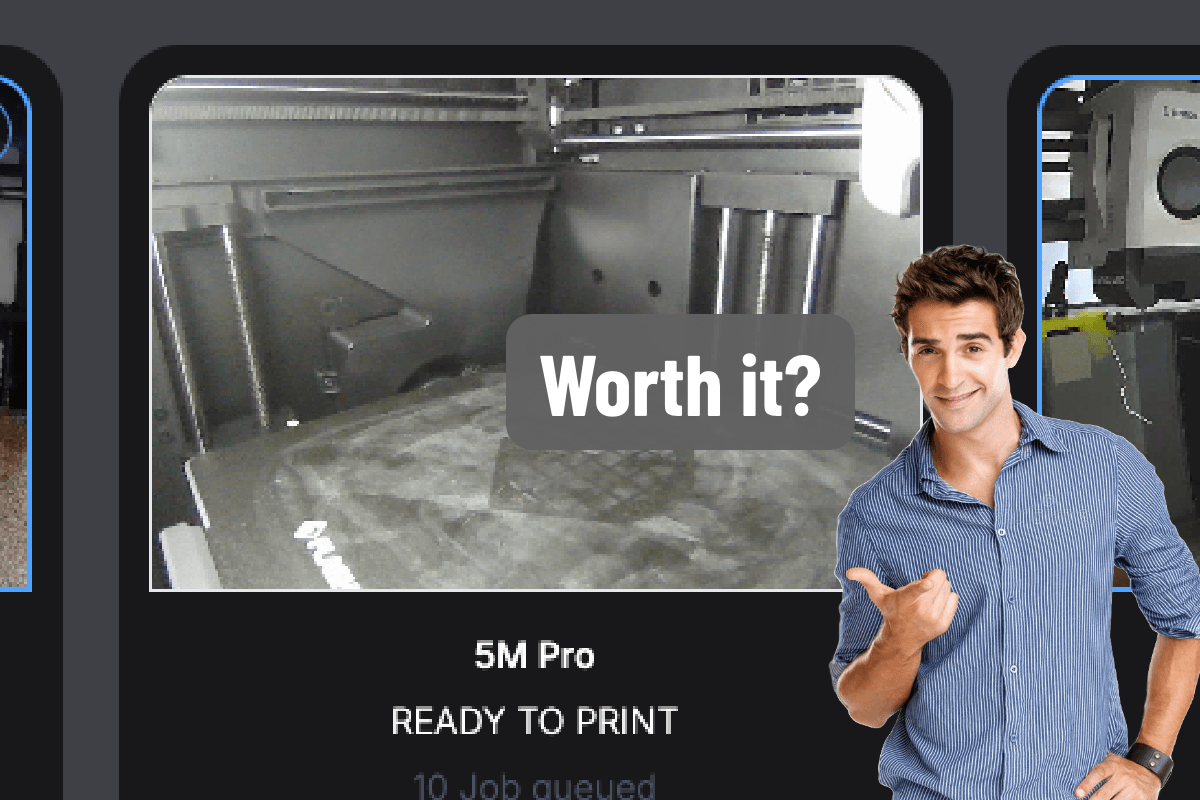
Is the Adventurer 5M Still Worth It in 2026?
Multicolor and tool changers get all the attention in 2026, but they start at $800+. For schools, makerspaces, and anyone learning the hobby, the Flashforge Adventurer 5M and 5M Pro are still the easy yes.
11/03/2026
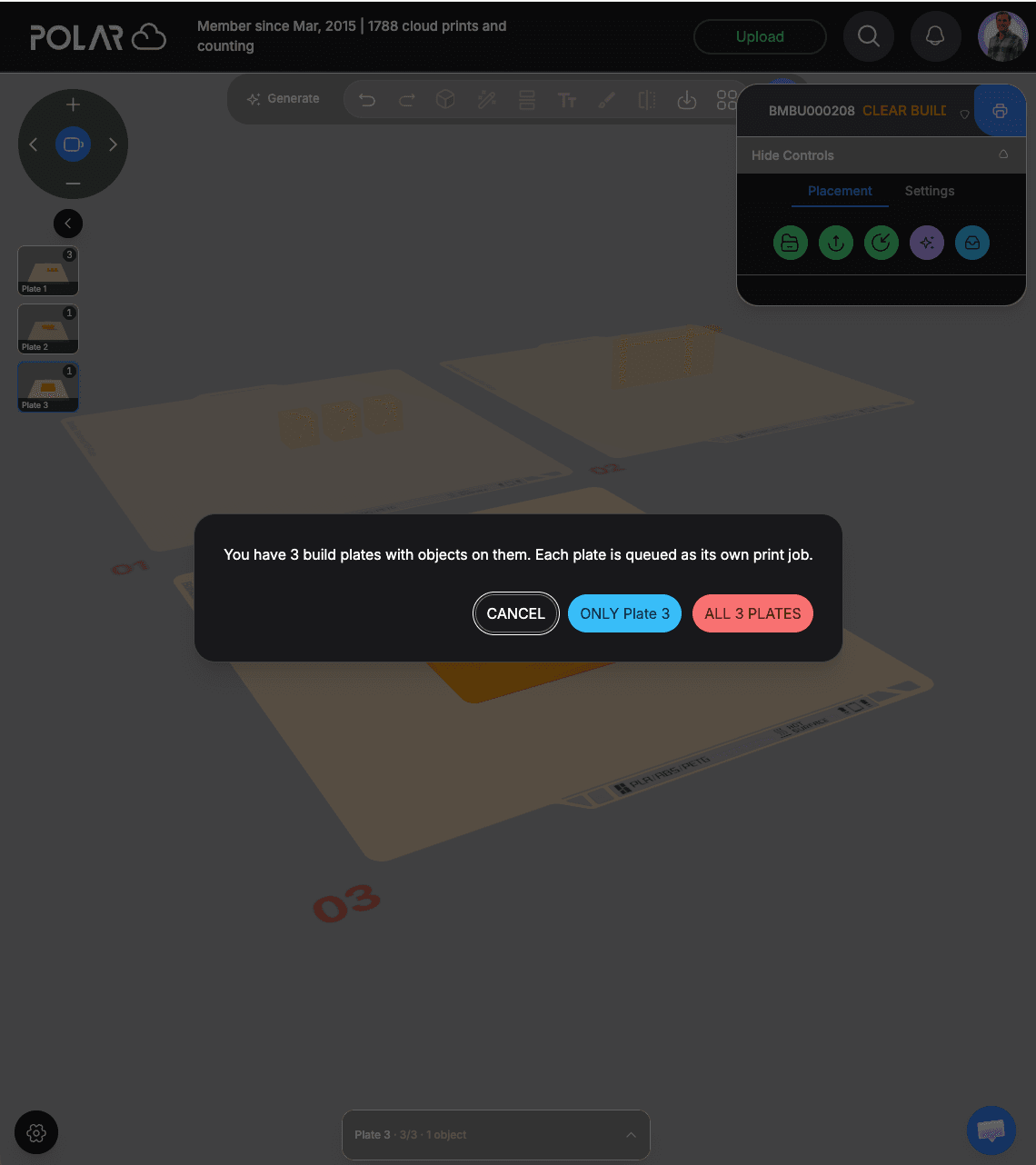
Slice and Queue All Your Build Plates at Once With Polar Cloud
Lay out a whole project across several build plates in your browser, then queue every plate at once. Each plate becomes its own print job, ready to run back to back.
10/28/2026